Windows Embedded Standard 8 Keygen Software

7/8/2014 Review activation requirements and methods for your Windows Embedded 8 Standard (Standard 8) device. Activation is the process of registering Windows Embedded 8 Standard (Standard 8) with Microsoft to assure the product is genuine. Activation is used to do the following: • Reduce software piracy. • Protect the software industry, corporate intellectual property, software development investments, and product quality. • Ensure customers receive the product quality they expect. Every device must be individually activated. Lists the activation methods available according to the Internet connectivity of the device.
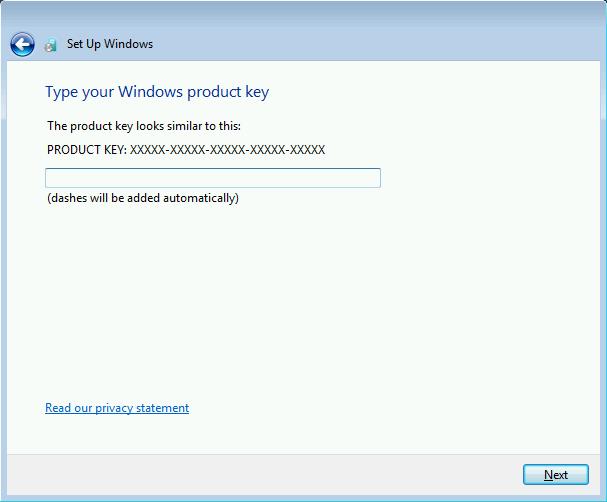
Software-payment: Blog About Contact Windows Embedded Standard 8 Crack. Windows embedded standard 8 keygen Product Keys and Activation Standard 8.
Explains how to activate a device by using the telephone and either the Windows Licensing Manager script (SLMGR) or the Windows Activation Client (SLUI). Explains how to activate a device using a direct Internet connection and either SLMGR or SLUI. Mio Moov M300 Maps. Explains how to set up an image to automatically activate by using a direct Internet connection after it is deployed. Explains how enterprise customers can apply Volume License Multiple Activation Keys (VL MAK) for Standard 8 to enable enterprise features such as Windows Application side-loading after a device is activated.
Describes how to use Volume Activation Management Tool 3.0 (VAMT 3.0) to simplify the activation process. Beechcraft Bonanza F33a Poh Pdf Reader.
Earlier this year, Microsoft announced that they’ll be ending retail sales of Windows 7 at the end of October. But, what exactly does that mean, and is it reason for concern for anyone currently using the soon-to-be-extinct OS?, operating system plays a key role in the hardware decision-making process, and Windows 7 has proved to be a reliable choice for many embedded projects. So, how does this end of life (EOL) notice impact users, and what steps do you need to take if your current or upcoming project, system or device is based on a Windows 7 architecture?
What is Happening to Windows 7 at the End of October 2014? After the October 31, 2014 cutoff, Microsoft will stop providing hardware partners with copies of Windows 7 Home (Basic or Premium) and Windows 7 Ultimate. While Microsoft will continue to offer support for these expiring systems until 2020, and has not yet put an end date on the availability of Windows 7 Professional, essentially hardware buyers are now left with a choice – move to implementing Windows 7 Professional (at a significantly higher cost than Windows Embedded), migrate to the much-maligned Windows 8, or take advantage of the continued availability of the Windows Embedded Standard 7 platform. The various advantages and disadvantages of Microsoft’s Windows 8 offerings have been covered at length elsewhere, and there’s plenty of information available about what Windows 7 Pro includes, so let’s take a closer look at Windows Embedded Standard 7, its functional differences, and why it might be the optimal choice for users struggling with an OS decision in the face of Microsoft’s recent move. What Is Windows Embedded?
Windows Embedded Standard 7 (WES7) is built on the same framework as Windows 7 Ultimate, which means that any software that’s compatible with a standard Windows 7 distribution will also run properly on WES7. Windows Embedded Standard 7 allows users to identify the specific components of the Windows OS that their system or device requires and include only those features in the final image. In essence, Windows Embedded allows you to pick and choose the features you need in your OS and forgo those that aren’t suitable for your unique installation or dedicated appliance. Windows 7 vs Windows Embedded Standard 7: The Key Differences The most common question we receive about Windows Embedded Stnadard 7 is how it differs from the other versions of the Windows 7 OS. The most appealing functional difference is the ability to customize Windows Embedded Standard 7 with only the applicable modules for a given project.